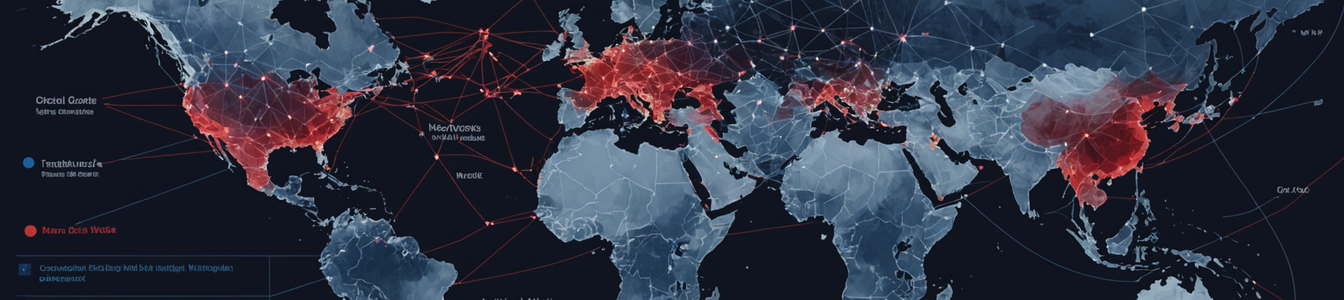
The global education landscape is undergoing a seismic shift that carries profound implications for cybersecurity professionals and institutional security frameworks. Recent data reveals that international students are fundamentally reassessing their study abroad choices, moving away from traditional English-speaking destinations toward more affordable European alternatives. This redistribution of the global student population creates complex security challenges that demand immediate attention from educational institutions and cybersecurity teams.
The New Education Migration Patterns
Germany, France, and Spain are emerging as the new frontrunners in international education, attracting students who previously would have chosen the United States or United Kingdom. This transition is driven by several key factors: significantly lower tuition fees, more flexible funding requirements, and stronger post-graduation employment opportunities within the European job market. The ApplyBoard Trends Report indicates that students are increasingly making decisions based on return on investment calculations rather than institutional prestige alone.
This geographical redistribution creates a multilayered cybersecurity challenge. Educational institutions now must secure digital infrastructure that supports students accessing resources from multiple countries with varying data protection regulations. The expanded attack surface includes remote learning platforms, international payment systems, and cross-border research collaborations.
Cybersecurity Implications of Diversified Student Populations
The changing student mobility patterns introduce several critical security considerations:
Expanded Attack Surface Management
With students connecting from diverse geographical locations, universities face increased vulnerabilities across their digital ecosystems. Each connection point from different countries represents a potential entry vector for threat actors. Security teams must now account for varying network security standards, different device security postures, and diverse cybersecurity awareness levels among international student populations.
Cross-Border Data Protection Challenges
The redistribution of international students across multiple jurisdictions complicates compliance with data protection regulations. Institutions must navigate the complexities of GDPR in Europe while simultaneously addressing data protection requirements from students' home countries. This creates a complex web of legal obligations that cybersecurity frameworks must accommodate.
Identity and Access Management Complexities
Verifying student identities across international borders presents significant challenges. Traditional identity verification methods may not adequately address the needs of students from different educational systems and documentation standards. Cybersecurity teams must implement robust multi-factor authentication systems that can function reliably across diverse geographical regions while maintaining compliance with international data transfer regulations.
Cultural and Linguistic Security Awareness
The diversification of student populations requires security awareness training that accommodates different cultural contexts and language preferences. Phishing attacks and social engineering attempts often exploit cultural nuances and language barriers. Educational institutions must develop security education programs that effectively communicate risks to students from varied cultural backgrounds.
Research Security in International Environments
As research collaborations become increasingly global, protecting intellectual property and sensitive research data becomes more complex. Cybersecurity teams must implement data classification systems that can appropriately handle information across different regulatory environments while maintaining research integrity.
Strategic Recommendations for Educational Cybersecurity
In response to these challenges, educational institutions should consider several strategic approaches:
Develop comprehensive international student cybersecurity onboarding programs that address region-specific threats and compliance requirements. Implement geo-aware security controls that adapt protection levels based on connection locations and associated risk profiles. Establish cross-border incident response protocols that account for different time zones, languages, and legal reporting requirements. Create specialized security monitoring for international student portals and payment systems, which are increasingly targeted by threat actors. Build partnerships with international cybersecurity organizations to share threat intelligence and best practices across geographical boundaries.
The ongoing transformation in international student mobility represents both a challenge and an opportunity for educational cybersecurity. By proactively addressing these emerging risks, institutions can build more resilient security postures that support global education missions while protecting sensitive data and academic resources.
Comentarios 0
Comentando como:
¡Únete a la conversación!
Sé el primero en compartir tu opinión sobre este artículo.
¡Inicia la conversación!
Sé el primero en comentar este artículo.