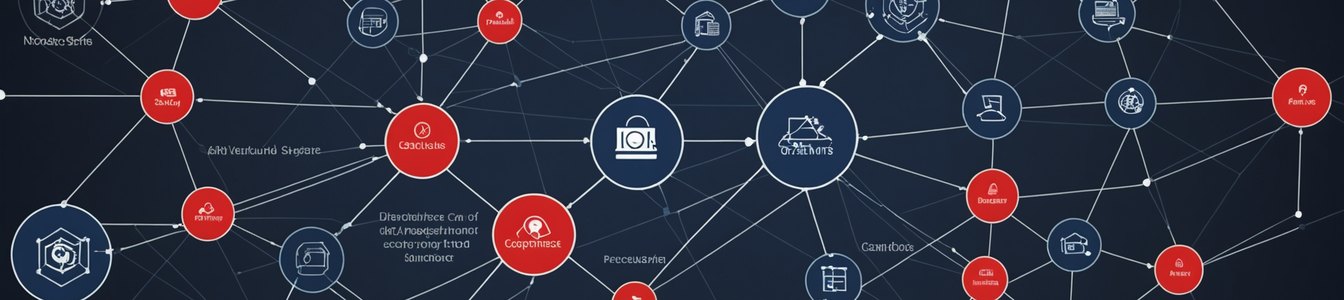
The cybersecurity landscape is facing a paradigm shift as sophisticated attackers increasingly bypass traditional corporate defenses by targeting third-party vendors and service providers. Recent high-profile incidents demonstrate how supply chain compromises can create cascading effects across multiple organizations, exposing sensitive data and disrupting business operations on an unprecedented scale.
The Salesforce-Gainsight incident exemplifies this emerging threat pattern. Gainsight, a customer success platform serving numerous enterprise clients, suffered a security breach that subsequently exposed customer data from Salesforce and potentially other major corporations. This domino effect highlights the inherent risks in modern business partnerships, where data sharing and system integration create multiple attack vectors for cybercriminals to exploit.
Similarly, the DoorDash data breach reveals how food delivery and service platforms are increasingly vulnerable to supply chain attacks. While details continue to emerge, the exposure of customer names, addresses, and contact information underscores the far-reaching consequences when third-party vendors or partners experience security failures. These incidents demonstrate that no organization operates in isolation in today's interconnected digital ecosystem.
The technical architecture of modern supply chains creates complex attack surfaces that traditional security measures struggle to protect. Application programming interfaces (APIs), cloud service integrations, and data synchronization processes between organizations create multiple points of potential compromise. Attackers recognize that targeting a single vendor can provide access to dozens or even hundreds of that vendor's clients, making supply chain attacks highly efficient from a criminal perspective.
Cybersecurity teams now face the daunting challenge of securing not only their own infrastructure but also monitoring and managing risks from hundreds of third-party relationships. The traditional perimeter-based security model has become obsolete in an environment where organizational boundaries are porous and constantly shifting. Zero-trust architectures and continuous monitoring of third-party access have become essential components of modern cybersecurity strategies.
Regulatory compliance adds another layer of complexity to supply chain security management. Organizations must navigate varying data protection requirements across jurisdictions while ensuring their vendors meet the same standards. The European Union's Digital Operational Resilience Act (DORA) and similar regulations worldwide are pushing companies to implement more rigorous third-party risk management programs.
Best practices for mitigating supply chain cyber risks include conducting comprehensive vendor security assessments, implementing least-privilege access controls for third parties, establishing continuous monitoring of vendor access and activities, and developing incident response plans that specifically address supply chain compromises. Organizations should also consider implementing software bill of materials (SBOM) practices to improve visibility into their digital supply chains.
As the frequency and sophistication of supply chain attacks continue to increase, cybersecurity professionals must adopt a more holistic approach to risk management that encompasses the entire ecosystem of partners, vendors, and service providers. The future of organizational security depends not only on protecting internal assets but also on ensuring the security posture of every entity in the supply chain.
Comentarios 0
Comentando como:
¡Únete a la conversación!
Sé el primero en compartir tu opinión sobre este artículo.
¡Inicia la conversación!
Sé el primero en comentar este artículo.