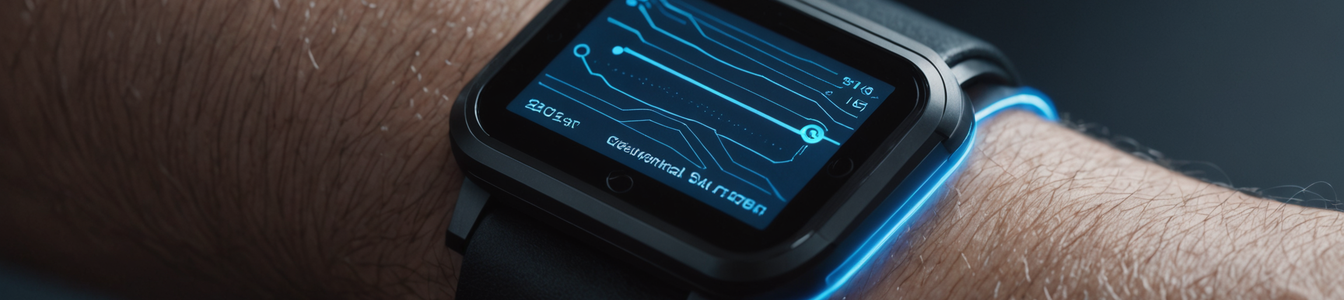
The emerging class of sweat-sensing wearable devices represents both a medical breakthrough and a cybersecurity watershed moment. These next-generation bio-IoT sensors, capable of continuously monitoring intimate biochemical markers like cortisol (the stress hormone) and melatonin (crucial for sleep regulation), are transitioning from research labs to consumer markets with alarming speed and minimal regulatory oversight. Unlike traditional fitness trackers that measure physical metrics, these devices access our fundamental biochemistry, creating digital proxies of our physiological states that are as unique as fingerprints and far more revealing.
The Technical Leap: From Motion to Molecules
The core innovation lies in miniaturized electrochemical sensors that analyze sweat composition in real-time. Earlier wearables tracked what we do; these new devices track what we are at a molecular level. By monitoring cortisol fluctuations, they claim to identify stress patterns before we consciously perceive them. Through melatonin detection, they promise optimized sleep schedules. The data generated isn't just personal—it's profoundly intimate, revealing circadian rhythms, stress responses, and potentially even early disease markers long before clinical symptoms appear.
This technological advancement coincides with broader IoT environmental monitoring breakthroughs, as evidenced by LI-COR's Carbon Node receiving the "Internet of Environment Solution of the Year" in the 2026 IoT Breakthrough Awards. The parallel development of environmental IoT and bio-IoT creates interconnected ecosystems where external environmental data and internal physiological data could be correlated, creating even more comprehensive surveillance profiles.
The Cybersecurity Implications: A New Class of Vulnerabilities
For cybersecurity professionals, sweat-sensing bio-IoT introduces unprecedented threat vectors:
- Data Sensitivity Tier: This isn't step counts or heart rate data. Continuous biochemical profiles represent a new category of "ultra-sensitive personal data" that could reveal mental health conditions, susceptibility to diseases, or even predict behavioral patterns. A breach could enable discrimination in employment, insurance, or social scoring systems.
- Real-Time Manipulation Risks: Unlike stolen financial data that can be reissued, physiological data could enable new forms of attack. Imagine threat actors manipulating stress feedback loops or sleep recommendations to cause harm, or creating personalized disinformation campaigns timed to biochemical vulnerability states.
- Supply Chain Complexity: These devices combine specialized biosensors, microfluidics, wireless modules, and cloud analytics from multiple vendors. Each integration point represents a potential compromise vector, with medical-grade components meeting consumer-grade security standards.
- Regulatory Vacuum: Current IoT security frameworks weren't designed for continuous biochemical monitoring. GDPR and HIPAA provide some protections, but they're reactive rather than preventive. The regulatory gap is particularly concerning as companies race to market with minimal security transparency.
The Data Sovereignty Crisis
Who owns your cortisol patterns? Where is your melatonin data processed and stored? These aren't philosophical questions but urgent legal and technical challenges. Most current devices transmit raw biochemical data to cloud servers for analysis, creating multiple points of vulnerability. The absence of standardized encryption for continuous biochemical streams, combined with proprietary algorithms that users cannot audit, creates perfect conditions for surveillance capitalism in its most intimate form.
Companies could potentially monetize aggregated stress patterns across populations, sell "wellness insights" to employers, or share data with pharmaceutical companies—all buried in lengthy end-user agreements that few consumers fully understand.
Toward Secure Bio-IoT: Recommendations for the Cybersecurity Community
As this market accelerates toward mainstream adoption, cybersecurity professionals must advocate for:
- Privacy-by-Design Mandates: Local processing of raw biochemical data should become standard, with only anonymized insights transmitted to the cloud when necessary.
- Open Security Standards: The industry needs bio-IoT-specific security protocols that address continuous biochemical data streams, including encryption standards for real-time physiological data.
- Clear Data Sovereignty Frameworks: Users must maintain ownership of their raw biochemical data, with transparent controls over processing locations and third-party sharing.
- Independent Security Audits: Unlike traditional IoT devices, bio-IoT sensors should undergo mandatory, regular security assessments by certified third parties.
- Incident Response Protocols: Specific breach notification requirements for biochemical data leaks must be established, given the unique and irreversible nature of the exposure.
The recognition of environmental IoT solutions like LI-COR's Carbon Node demonstrates the rapid maturation of sensor networks. As biological sensing follows suit, the cybersecurity community faces a race against time to establish protections before sensitive physiological monitoring becomes ubiquitous. The sweat-sensing revolution isn't coming—it's already here, and securing it will define the next era of digital privacy.
The stakes extend beyond individual privacy to societal trust in digital health technologies. Without robust security frameworks, the very devices promising to improve our wellbeing could become tools of unprecedented surveillance and manipulation. The cybersecurity community's response to this challenge will determine whether bio-IoT becomes an empowering health revolution or a dystopian surveillance nightmare.
Comentarios 0
Comentando como:
¡Únete a la conversación!
Sé el primero en compartir tu opinión sobre este artículo.
¡Inicia la conversación!
Sé el primero en comentar este artículo.