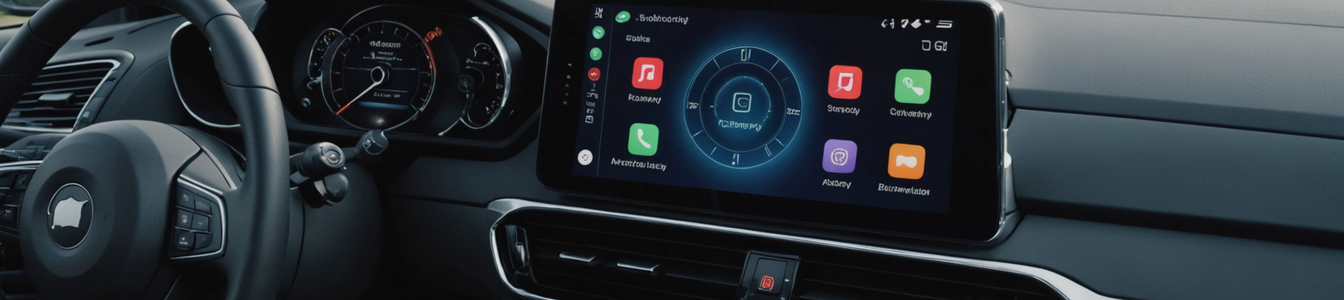
The automotive cybersecurity landscape faces new challenges as Tesla reportedly moves toward integrating Apple CarPlay while continuing to exclude Android Auto from its vehicles. This selective approach to mobile integration creates what security experts are calling a 'security divide' in vehicle infotainment systems, with potentially far-reaching implications for both consumer safety and industry standards.
Technical Security Implications
From a cybersecurity perspective, partial integration of mobile-to-vehicle systems introduces multiple concerns. When manufacturers implement only one major mobile ecosystem, they create an uneven security landscape where different user groups face varying levels of risk. Android users, representing approximately 70% of the global smartphone market, would be forced to use Tesla's native system or seek third-party solutions, potentially creating security vulnerabilities through workarounds and unauthorized modifications.
The integration of CarPlay alone means Tesla's security team must focus resources on securing one specific implementation while leaving another major platform unaddressed. This could lead to security gaps in how the vehicle handles different types of mobile connections and data exchanges. Security researchers note that partial integration strategies often result in less comprehensive security testing, as the focus remains narrow rather than addressing the full spectrum of potential threats across all mobile platforms.
Vehicle Network Architecture Concerns
Modern vehicles operate on complex network architectures where infotainment systems increasingly interface with critical vehicle functions. The selective integration approach raises questions about how Tesla's system will handle the security implications of CarPlay connectivity while maintaining isolation from vehicle control systems. Security professionals emphasize that any new interface point, especially one as complex as CarPlay integration, represents a potential entry point for attackers.
The concern is particularly acute given Tesla's history of developing proprietary systems. When integrating third-party solutions like CarPlay, manufacturers must ensure robust isolation between the infotainment domain and safety-critical systems. Partial integration complicates this security model, as the vehicle must maintain different security postures for different types of mobile connectivity.
Industry-Wide Security Implications
Tesla's decision could set a concerning precedent for the automotive industry. If other manufacturers follow suit with selective mobile integration strategies, the industry could see fragmentation in security standards and implementation practices. This fragmentation would complicate security research, vulnerability disclosure, and patch management across the automotive ecosystem.
Security researchers warn that such fragmentation could lead to inconsistent security updates and delayed vulnerability patches. When manufacturers prioritize one mobile ecosystem over another, they may allocate disproportionate security resources, leaving the excluded platform's user base with potentially inferior protection.
The competitive dynamics between Apple and Google in the automotive space also introduce security considerations. As manufacturers choose sides in this ecosystem battle, security may become secondary to business partnerships and market positioning. This could lead to situations where security decisions are influenced more by commercial considerations than by comprehensive risk assessment.
Consumer Impact and Security Awareness
For consumers, the security implications of Tesla's selective integration strategy may not be immediately apparent. Android users might not realize they're using a system with different security characteristics and update cycles than what CarPlay users experience. This knowledge gap could lead to unrealistic security expectations and inadequate risk mitigation behaviors.
Security education becomes more challenging when different user groups within the same vehicle brand face different threat landscapes. Tesla would need to develop distinct security guidance for CarPlay users versus native system users, potentially complicating security awareness efforts.
Future Security Considerations
As vehicle connectivity continues to evolve, the security community emphasizes the need for standardized approaches to mobile integration. Industry-wide security standards for vehicle-mobile interfaces could help ensure consistent security regardless of which mobile ecosystem consumers prefer.
Security professionals recommend that manufacturers implement comprehensive security frameworks that accommodate multiple mobile platforms equally. This includes rigorous security testing across all supported platforms, consistent update policies, and transparent security documentation for all integration methods.
The Tesla case highlights the growing importance of security-by-design in vehicle development. As vehicles become increasingly connected and integrated with mobile ecosystems, security considerations must be integral to integration decisions rather than afterthoughts influenced by commercial partnerships.
Looking forward, the cybersecurity community will be watching how Tesla implements CarPlay security and whether the company addresses the security implications of excluding Android Auto. The outcome could influence security practices across the entire automotive industry as other manufacturers navigate similar integration decisions.
Comentarios 0
Comentando como:
¡Únete a la conversación!
Sé el primero en compartir tu opinión sobre este artículo.
¡Inicia la conversación!
Sé el primero en comentar este artículo.