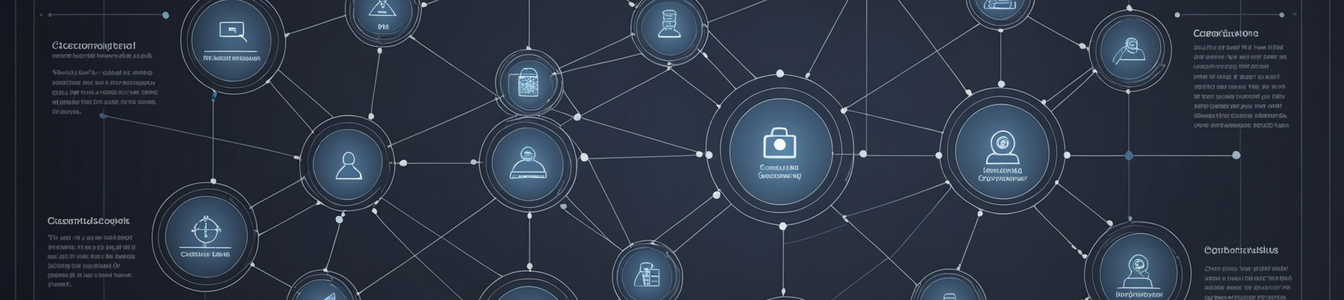
A quiet revolution in regulatory compliance is underway, driven by governments and corporations seeking independent verification of safety, social, and infrastructure programs. From Delhi mandating third-party fire safety audits for commercial establishments to courts in Balochistan ordering external oversight of water schemes, the push for outsourced accountability is creating an unexpected and dangerous side effect: a sprawling new attack surface riddled with cybersecurity blind spots. For security leaders, this trend represents a fundamental shift in third-party risk, moving beyond traditional vendors to include a diffuse network of compliance auditors who handle some of an organization's most sensitive data.
The Fragmented Compliance Landscape
The incidents forming this pattern are geographically diverse but structurally similar. In response to a tragic fire, the Delhi government has ordered a citywide, third-party audit of fire safety in commercial buildings. Simultaneously, authorities in Mumbai are implementing social audits to verify the quality of school nutrition programs. Meanwhile, the Balochistan High Court has intervened in a water scheme case, mandating the inclusion of a third-party auditor—in this instance, a Member of the Provincial Assembly (MPA)—to ensure oversight integrity. On the surface, these are disparate initiatives addressing fire safety, social welfare, and public infrastructure. Yet, they all share a common operational model: the delegation of critical compliance verification to external entities.
The Cybersecurity Blind Spots
This model introduces several systemic vulnerabilities that fall outside traditional security perimeters:
- Inconsistent Data Security Postures: The consulting firms, engineering agencies, and individual auditors winning these government and corporate contracts are not necessarily evaluated for their cybersecurity maturity. Their data collection methods—which may involve mobile apps, cloud storage, and email transmission of sensitive building schematics, nutritional data logs, or infrastructure maps—create a chain of potential breach points. There is no standardized security requirement for these 'auditors of trust.'
- The Integrity and Availability Threat: The core value of an audit lies in the integrity of its data. If an auditor's system is compromised, findings can be altered to hide deficiencies or create false violations. This moves the threat from confidentiality to integrity and availability, potentially allowing malicious actors to manipulate official safety certifications or discredit social programs. The recent mandates show that this data directly influences public safety and resource allocation, making it a high-value target.
- Lack of Centralized Visibility and Control: Organizations subject to these audits often have no visibility into how their data is stored, processed, or transmitted by the auditor. A corporation undergoing a fire safety review may have robust controls for its own data, but once architectural plans and vulnerability reports are handed to an external auditor, they enter a security black box. This fragmentation of data governance is the antithesis of a centralized security strategy.
- Supply Chain Attacks on Compliance: An attacker seeking to compromise a large retail chain might find it easier to target the small fire safety audit firm that has access to the floor plans and security system details of dozens of the chain's locations, rather than attacking the chain itself. The auditor becomes a single point of failure for multiple entities.
A Call for Integrated Third-Party Risk Management
For Chief Information Security Officers (CISOs) and GRC (Governance, Risk, and Compliance) leaders, the response must be proactive. The definition of 'third-party risk' must expand to explicitly include compliance and audit partners.
- Security as a Prerequisite for Audit Bids: Organizations and governments issuing audit Requests for Proposal (RFPs) must include mandatory cybersecurity assessment questionnaires. Auditors should be required to demonstrate compliance with frameworks like ISO 27001 or SOC 2, and detail their data handling, encryption, and breach notification procedures.
- Secure Data Exchange Protocols: The transfer of sensitive audit data must move beyond email attachments. Mandate the use of secure, encrypted client portals or managed file transfer solutions with strict access controls and activity logging.
- Contractual Cybersecurity Clauses: Audit contracts must contain explicit clauses regarding data ownership, security standards, right-to-audit provisions, and liability in case of a data breach originating from the auditor's systems.
- Continuous Monitoring: The relationship shouldn't end at contract signing. The security posture of audit firms should be subject to continuous monitoring, similar to other critical vendors.
The trend toward outsourced compliance is not reversing. It is a logical response to the need for independent verification. However, the cybersecurity implications have been an afterthought. The incidents in Delhi, Mumbai, and Balochistan are not isolated compliance stories; they are early warnings of a systemic risk. By failing to secure the very process designed to ensure safety and integrity, organizations are building a house of cards. The mandate for cybersecurity professionals is clear: bring the auditors into the scope of defense, or watch as a new generation of risk emerges from the blind spots created by well-intentioned oversight.
Comentarios 0
Comentando como:
¡Únete a la conversación!
Sé el primero en compartir tu opinión sobre este artículo.
¡Inicia la conversación!
Sé el primero en comentar este artículo.