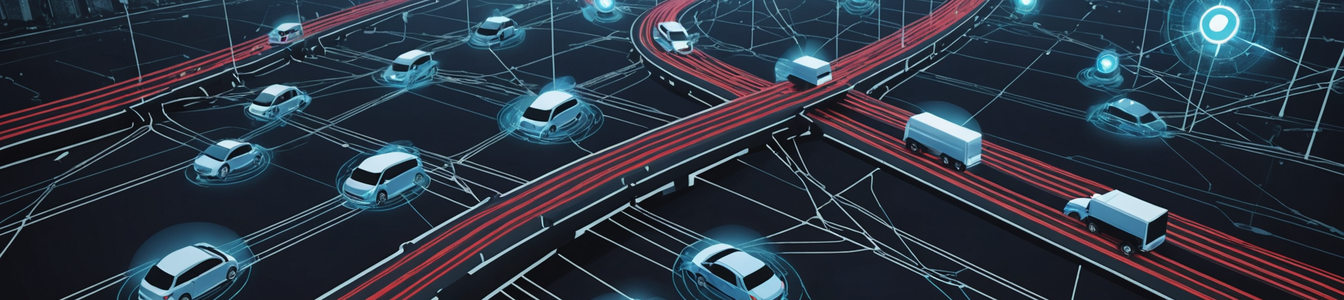
The transportation sector is undergoing a digital transformation that promises unprecedented efficiency and connectivity, but security experts warn that this evolution comes with significant cybersecurity risks. Recent industry developments reveal a growing gap between technological advancement and security implementation in transportation IoT systems.
Industry leaders like Trimble are pushing the boundaries of connected transportation solutions, integrating AI-powered technologies that promise to revolutionize fleet management and logistics operations. However, these same innovations create complex attack surfaces that security teams are struggling to secure. The expansion of connected solution integrations across the transportation industry, while beneficial for operational efficiency, introduces multiple entry points for potential cyber threats.
At major industry events like the Work Truck Week 2026 technology conference and Green Truck Summit, the focus on smart transportation technologies has intensified. These gatherings showcase cutting-edge innovations in commercial vehicle connectivity, from advanced telematics to integrated fleet management systems. Yet security professionals note that cybersecurity considerations often take a backseat to functionality and cost-efficiency in these implementations.
The reality of connected transportation became particularly evident in recent assessments of Britain's 'best wifi-connected trains.' While passengers enjoy seamless connectivity during their commutes, security analysts have identified numerous vulnerabilities in these systems. The integration of passenger wifi networks with critical train control and monitoring systems creates potential pathways for attackers to access sensitive operational technology.
The convergence of IT and OT (Operational Technology) networks in transportation represents one of the most significant security challenges. Traditional IT security measures often prove inadequate for protecting industrial control systems that manage everything from braking systems to navigation controls. The stakes are particularly high in transportation, where cyber incidents could directly impact passenger safety.
AI-powered transportation systems introduce additional complexities. While artificial intelligence can enhance predictive maintenance and optimize routing, it also creates new attack vectors. Adversarial machine learning attacks could manipulate AI systems to make dangerous decisions or conceal maintenance issues that require immediate attention.
The supply chain security of transportation IoT components presents another critical concern. With multiple vendors providing connected devices and software solutions, maintaining consistent security standards across the entire ecosystem becomes increasingly challenging. A vulnerability in a single component could potentially compromise an entire transportation network.
Regulatory frameworks are struggling to keep pace with technological innovation in transportation IoT. Current standards often fail to address the unique security requirements of connected vehicles and smart infrastructure. This regulatory gap leaves transportation companies and passengers vulnerable to emerging threats.
Security professionals emphasize the need for a defense-in-depth approach to transportation IoT security. This includes implementing robust network segmentation, ensuring secure software development practices across the supply chain, and establishing comprehensive incident response plans specifically tailored to transportation systems.
The human factor remains crucial in transportation cybersecurity. Training for transportation staff, from operators to maintenance crews, must include cybersecurity awareness. Social engineering attacks targeting transportation personnel could provide attackers with access to critical systems.
As transportation systems become increasingly interconnected, the potential impact of cyber incidents grows exponentially. A successful attack on one component could cascade through multiple systems, disrupting transportation networks on a regional or even national scale. This systemic risk requires coordinated security efforts across the entire transportation ecosystem.
The future of transportation security depends on building resilience into connected systems from the ground up. This means prioritizing security in the design phase of new transportation technologies, rather than treating it as an afterthought. Industry collaboration and information sharing will be essential for developing effective security standards and best practices.
Transportation companies must balance the benefits of connectivity with the responsibility of protecting critical infrastructure. As the industry continues to embrace digital transformation, cybersecurity must become a core consideration in every technological implementation. The safety of passengers and the reliability of transportation networks depend on getting this balance right.
Comentarios 0
Comentando como:
¡Únete a la conversación!
Sé el primero en compartir tu opinión sobre este artículo.
¡Inicia la conversación!
Sé el primero en comentar este artículo.