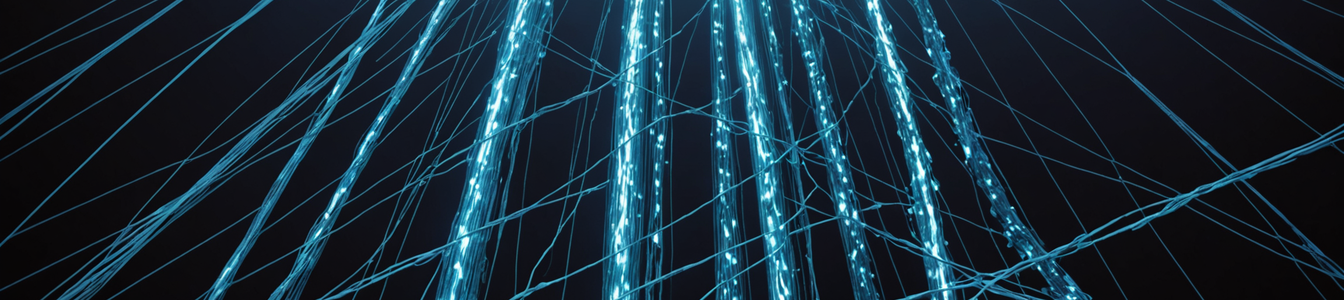
The silent arteries of global internet connectivity lie hidden beneath ocean waves, carrying 95% of international data traffic through a network of fiber optic cables spanning over 1.3 million kilometers. These submerged lifelines, often no thicker than a garden hose, form the backbone of modern digital civilization. Yet they represent one of the most critical and vulnerable components of global infrastructure, facing unprecedented threats from geopolitical tensions and sophisticated hybrid warfare tactics.
Recent intelligence assessments from multiple Western security agencies indicate that Russian naval and intelligence assets have been systematically mapping undersea cable infrastructure in the North Atlantic, Mediterranean, and other strategic maritime corridors. This activity coincides with growing concerns about hybrid warfare strategies that target critical infrastructure without triggering conventional military responses.
The vulnerability of these cables stems from their physical exposure and the immense concentration of data they carry. A single transatlantic cable can handle tens of terabits per second, equivalent to millions of simultaneous high-definition video streams or billions of financial transactions. Their disruption could paralyze global financial markets, disrupt government communications, and cripple international business operations within minutes.
Technical experts highlight several critical vulnerabilities in current undersea cable infrastructure. Most cables lack real-time monitoring capabilities, with many systems only detecting disruptions after service degradation occurs. The repair process itself is complex and time-consuming, requiring specialized cable-laying ships that may take weeks to reach remote locations. Furthermore, the concentration of multiple cables through geographic choke points creates single points of failure that could affect entire regions simultaneously.
Cybersecurity professionals are particularly concerned about the convergence of physical and digital threats. While physical damage to cables represents an immediate concern, the potential for sophisticated attacks targeting cable landing stations and network operation centers poses additional risks. These facilities, where underwater cables connect to terrestrial networks, often lack the same level of physical security as data centers and other critical infrastructure.
The geopolitical context adds layers of complexity to these technical vulnerabilities. As tensions escalate in Eastern Europe and other strategic regions, undersea cables have become potential instruments of political leverage. The ability to disrupt communications without claiming responsibility creates a dangerous gray zone where attribution becomes challenging and response options limited.
Industry responses have been fragmented and insufficient. While some cable operators have implemented enhanced monitoring systems and redundancy measures, there is no comprehensive international framework for protecting this critical infrastructure. The divided ownership structure—with cables operated by consortiums of telecommunications companies, tech giants, and specialized providers—complicates coordinated security efforts.
Recommendations for addressing this crisis include establishing international standards for cable protection, developing rapid response capabilities for cable repairs, implementing distributed monitoring systems using underwater sensors and autonomous vehicles, and creating redundant routing options that bypass geographic choke points. The cybersecurity community must also develop better threat intelligence sharing mechanisms specific to undersea infrastructure.
The financial implications of cable disruptions are staggering. A 2023 study estimated that a simultaneous cut of multiple transatlantic cables could cost the global economy over $50 billion per day in lost transactions and productivity. This economic impact underscores the urgent need for proactive measures rather than reactive responses.
As digital dependency continues to grow, the security of undersea cables must become a priority for governments, private sector operators, and the cybersecurity community. The silent vulnerability beneath the waves represents not just a technical challenge but a fundamental test of global resilience in an increasingly interconnected world.
Comentarios 0
Comentando como:
¡Únete a la conversación!
Sé el primero en compartir tu opinión sobre este artículo.
¡Inicia la conversación!
Sé el primero en comentar este artículo.