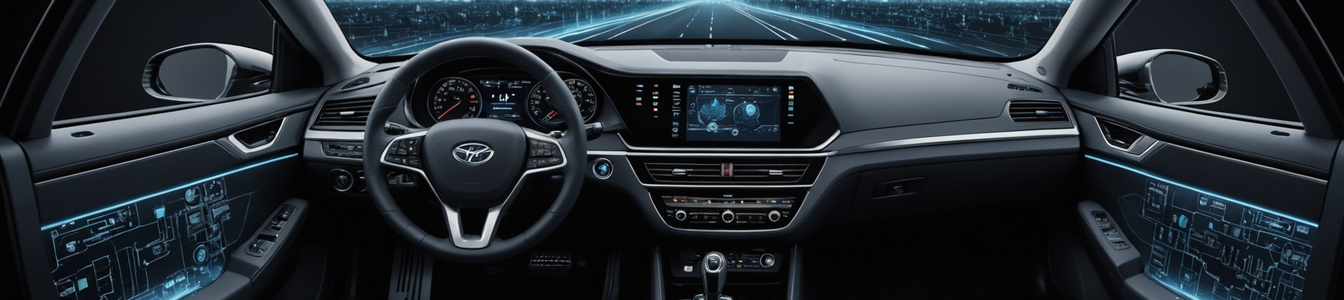
The modern connected car is a data powerhouse on wheels, collecting terabytes of information about its occupants, journeys, and preferences. However, as these vehicles enter the second-hand market, a profound privacy and security crisis is emerging—one that cybersecurity professionals are only beginning to map. The core issue is data persistence: the personal digital footprint of the original owner often remains deeply embedded within the vehicle's multiple electronic control units (ECUs), infotainment systems, and telematics units long after the keys are handed over.
The Anatomy of a Digital Ghost
When a user pairs a smartphone, enters home and work addresses into the navigation system, uses in-car voice assistants, or sets up a driver profile with seat and mirror positions, this data is stored locally. While some data syncs to cloud accounts, a significant residue remains on the vehicle's internal storage. This can include:
- Navigation History: Complete logs of destinations, frequent routes, and points of interest.
- Paired Device Data: Bluetooth MAC addresses, call logs, text message metadata (in some systems), and cached Wi-Fi passwords.
- Account Credentials: Tokens for streaming services (Spotify, Apple Music), and potentially residual login information for manufacturer apps.
- Biometric and Comfort Data: Driver profiles linked to key fobs, seat settings, and in some premium models, biometric data used for facial recognition or fatigue monitoring.
Unlike a smartphone, there is no universal, user-accessible 'master reset' that comprehensively purges all these data points across every subsystem. The process is often buried deep within sub-menus, differs wildly between manufacturers, and may not cover all data repositories.
The Dual-Threat Vulnerability
This creates a two-pronged risk:
- Risk to the Original Owner: Their personal habits, locations, and social connections are exposed to the next owner or, worse, a malicious actor who acquires the vehicle. This data can facilitate identity theft, stalking, or phishing campaigns. If the original owner's account remains passively linked, real-time location data could still be accessible.
- Risk to the Second-Hand Owner: They inherit a vehicle that may still be partially tethered to the previous owner's digital life. This could lead to unintended data leakage, conflicts with connected services, and a compromised starting point for their own privacy. Furthermore, if the previous owner's credentials are still cached, it could provide a backdoor for unauthorized access to the vehicle's functions.
The Cybersecurity and Automotive Industry Challenge
For cybersecurity teams, this represents a new frontier in IoT security. The automotive industry's primary focus has been on protecting vehicles from remote hijacking and securing data transmission to the cloud. The 'data sanitization at end-of-ownership' lifecycle stage has been a glaring blind spot. The responsibility is diffuse, lying between manufacturers, dealerships, and owners, with no clear standards or regulations akin to data erasure for storage media (e.g., NIST 800-88).
Manufacturers' approaches are inconsistent. Some provide a 'factory data reset' option in the infotainment settings, but its thoroughness is rarely documented. Others may require a dealership visit for a secure wipe, incurring cost and creating a friction point that most consumers will skip. This fragmentation makes it impossible for consumers to have confidence in the process and for security professionals to offer universal guidance.
The Path Forward: Standards, Awareness, and Tools
Addressing this crisis requires a multi-stakeholder approach:
- Industry-Wide Standards: Regulatory bodies and industry consortia must develop and mandate a clear, verifiable standard for 'Vehicle Data Sanitization' that covers all user data repositories. This should be as recognizable as a smartphone's reset function.
- Consumer Education: Sellers must be informed that deleting their data is as crucial as removing their physical belongings. Awareness campaigns should parallel those for smartphone privacy.
- Dealership and Reseller Protocols: Companies in the resale chain must implement and verify data wiping as a standard part of their reconditioning process, with audit trails.
- Cybersecurity Tool Development: The market needs affordable diagnostic tools for professionals (and eventually consumers) to verify that a vehicle's user data storage has been effectively wiped, similar to forensic tools but for sanitization verification.
Conclusion
The connected car data privacy crisis is a stark reminder that in the IoT age, ownership is not just physical but digital. As vehicles become more sophisticated data centers, the industry's failure to provide a clear, secure off-ramp for user data at the point of transfer creates a systemic risk. For cybersecurity professionals, this expands the threat landscape into post-ownership scenarios and underscores the need to advocate for 'privacy by design' principles that include secure data lifecycle management. The time to establish norms and standards is now, before the millions of data-rich vehicles sold today flood the used car market of tomorrow.
Comentarios 0
Comentando como:
¡Únete a la conversación!
Sé el primero en compartir tu opinión sobre este artículo.
¡Inicia la conversación!
Sé el primero en comentar este artículo.