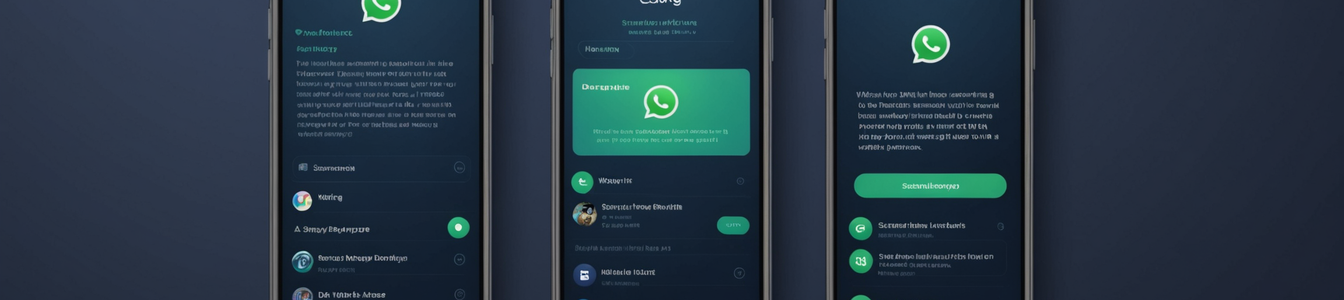
The recent announcement of WhatsApp's premium subscription features marks a pivotal moment in application security, transforming one of the world's most ubiquitous communication platforms into a potential vector for sophisticated attacks. Meta's strategy to monetize WhatsApp through paid AI-powered message summaries and cosmetic enhancements like glitter icons creates previously non-existent attack surfaces that security teams must now urgently address.
From Free Service to Premium Attack Vector
WhatsApp's core security promise has historically centered on end-to-end encryption and a relatively simple user interface. The introduction of tiered functionality fundamentally alters this equation. The premium version, reportedly including AI-generated summaries of unread messages and visual customizations for approximately €2.49, integrates payment processing systems directly into an app previously isolated from financial transactions. This integration creates a new layer of vulnerability where payment card data, subscription management interfaces, and billing systems become potential targets within the WhatsApp ecosystem.
Security researchers are particularly concerned about the authentication mechanisms protecting these premium features. The transition from a single-tier authentication model to a multi-tier system (free vs. premium) requires more complex permission structures and verification processes, each representing a potential point of failure or exploitation.
The Social Engineering Goldmine
The subscription model provides attackers with powerful new narratives for social engineering campaigns. Phishing attempts can now convincingly mimic "premium feature activation" messages, "subscription confirmation" requests, or "payment failure" alerts that appear legitimate within the WhatsApp context. Users accustomed to the app being free may be particularly vulnerable to scams offering "exclusive access" to new features or fake warnings about their account being downgraded.
Furthermore, the existence of both official premium features and longstanding unofficial "WhatsApp Plus" mods creates dangerous confusion. Attackers can exploit this ambiguity by distributing malware-laden versions of "WhatsApp Premium" or offering fraudulent "upgrade" services through third-party sites. The legitimate monetization strategy inadvertently validates the concept of paid WhatsApp enhancements in users' minds, making fraudulent offers more credible.
Payment Fraud and Account Hijacking Risks
The integration of in-app purchases introduces classic mobile payment fraud vectors to WhatsApp. These include:
- Subscription stacking fraud: Attackers could exploit vulnerabilities to activate multiple premium subscriptions on compromised accounts
- Billing bypass exploits: Technical flaws in the premium feature verification could allow unauthorized access to paid functionality
- Account takeover for premium access: Stolen accounts gain additional value as they may contain active premium subscriptions with stored payment methods
Security architects must consider how WhatsApp's encryption model interacts with payment verification. Does premium status verification occur client-side or server-side? Could a compromised client app falsely report premium status? These are new questions for an app previously concerned primarily with message confidentiality.
The Broader Trend: Premiumization as Security Debt
WhatsApp's move reflects an industry-wide shift toward subscription models in core applications. Each monetized feature represents additional code, external service integrations, and complex user permission states—all of which increase the application's attack surface. Security teams face the challenge of securing these new functionalities while maintaining the integrity of the app's original encrypted messaging core.
The fragmentation between free and premium users also creates security disparities. Will security updates or privacy features eventually become premium-only? Such tiering could create a two-tier security ecosystem where paying users receive better protection, fundamentally undermining the security baseline for all users.
Mitigation Strategies for Security Teams
Organizations should implement several key measures:
- Update security awareness training to include WhatsApp-specific subscription scams and payment phishing attempts
- Monitor for unofficial WhatsApp mods on corporate devices, particularly those claiming to offer premium features
- Review and potentially restrict in-app purchase permissions on enterprise-managed devices
- Implement network monitoring for suspicious patterns related to WhatsApp payment endpoints
- Develop clear policies regarding reimbursement for work-related app subscriptions to prevent shadow IT purchases
Conclusion: The New Normal of Monetized Vulnerabilities
The premiumization of essential communication apps represents a fundamental shift in the threat landscape. What was once a relatively contained security environment (encrypted messaging) now incorporates financial transactions, tiered access controls, and complex feature dependencies. Security professionals must adapt their approaches to account for these new vectors, recognizing that the business model of an application has become as relevant to its security posture as its technical architecture.
The WhatsApp case serves as a critical example for the entire industry: as free services transition to freemium models, they don't just change their revenue structure—they transform their security profile in ways that create opportunities for sophisticated attackers. The subscription trap isn't just about recurring charges; it's about recurring vulnerabilities that security teams must continuously monitor and mitigate.
Comentarios 0
Comentando como:
¡Únete a la conversación!
Sé el primero en compartir tu opinión sobre este artículo.
¡Inicia la conversación!
Sé el primero en comentar este artículo.